Emphasis on Facilitating Border Residents’ Movement and Reforming Customs Procedures
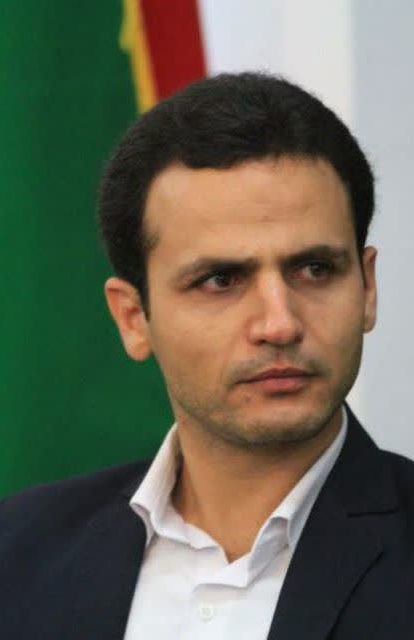
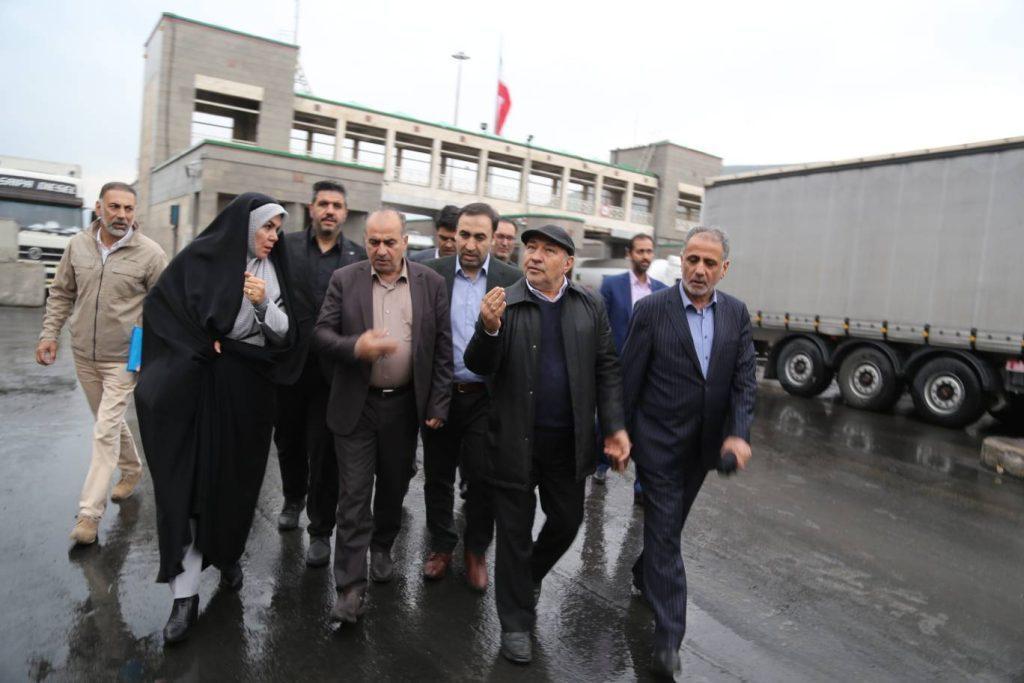
Mehdi Hassan Abbasi, Director General of the Office of Border Affairs and Border Residents at the Ministry of Interior and head of the Country’s Official Borders Working Group, visited Bazargan Customs along with government officials, members of the authorized border working groups at the national and provincial levels, the CEO of the Maku Free Zone Organization, and the county governor.
During the visit, which aimed to assess on-site service delivery, the movement of border residents, and commercial transport, the latest situation at this official border crossing was reviewed. According to the report presented, around 65,000 people in the area currently hold border resident cards, and an average of 800 trucks cross the Bazargan border daily—an impressive capacity that highlights the strategic role of this crossing in national trade, although some operational problems and obstacles were also noted and examined.
At a joint meeting with officials, Abbasi stressed: “Official borders are national gateways, and their benefits should first and foremost return to border regions and border residents.”
Referring to the new border resident card directive as well as the conditions resulting from recent developments and the problems facing maritime borders, he said: “We will place special focus on strengthening and organizing land customs, especially Bazargan Customs.”
The Director General of Border Affairs at the Ministry of Interior described assisting border residents, facilitating movement, showing respect to border residents and travelers, and honoring the public as among the main priorities of the relevant authorities, and added: “The mission of the Country’s Official Borders Working Group is to follow up on the decisions of the Vice President’s executive meeting and expedite their implementation.”
He also announced plans to delegate greater authority to regional officials, reduce and streamline customs processes and procedures, and remove existing obstacles, noting: “Reforming structures and shortening procedures are now a top priority so that Bazargan Border can become an efficient model in the management of the country’s land borders.”
At the end of the visit, it was decided that the problems identified in the area of border residents’ movement and commercial transport would be pursued and resolved as quickly as possible within the framework of the working group’s decisions and in coordination with the relevant authorities.